Introduction to Mars’ Ancient Climate
Recent scientific discoveries have dramatically reshaped our understanding of Mars’ distant past. New research presented at the RAS National Astronomy Meeting has uncovered compelling evidence that Mars, 3.7 billion years ago, was not the cold and barren world we know today. Instead, it was a planet where rivers flowed and rain fell, creating a much warmer and wetter environment.
Discovery of Ancient Riverbeds
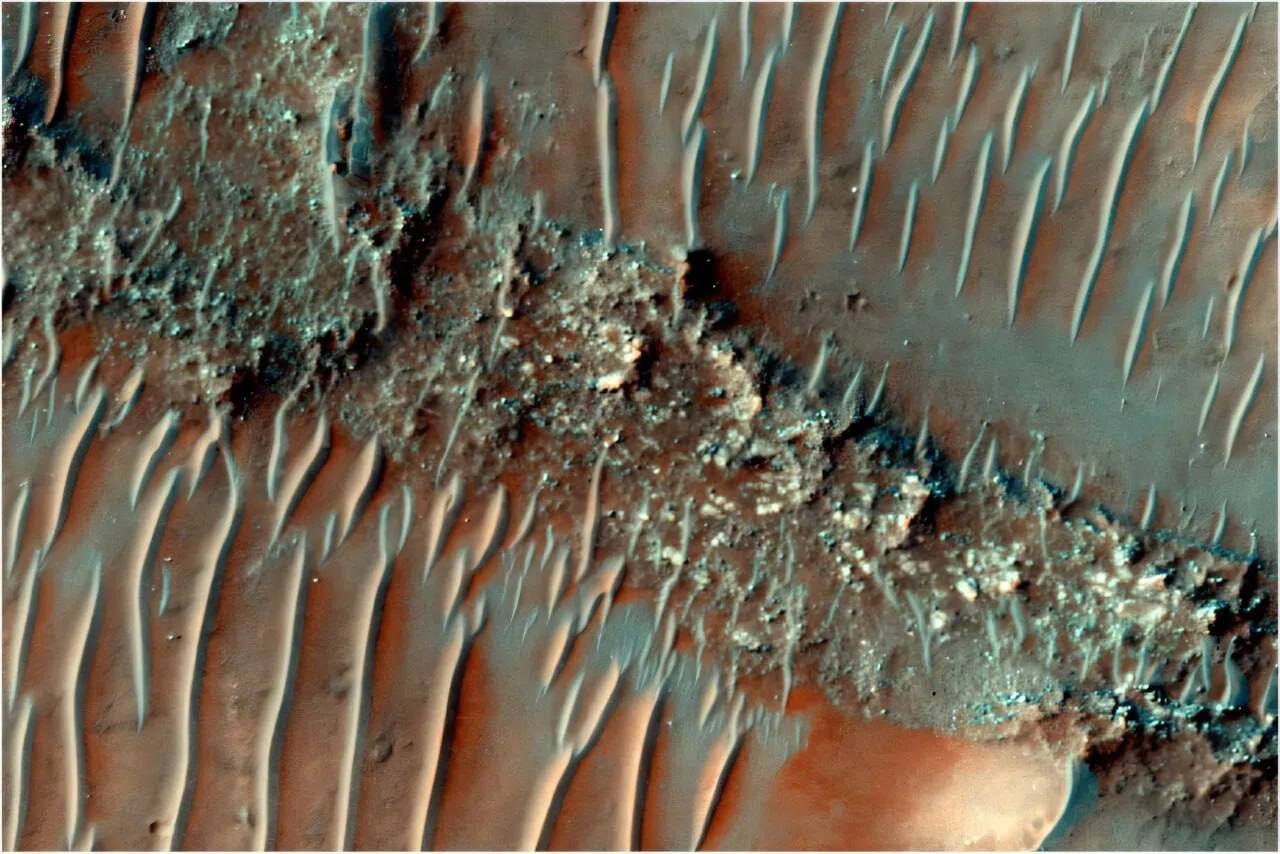
In the Noachis Terra region, located in the southern hemisphere of Mars, scientists have identified over 15,000 kilometers of ancient riverbeds. These riverbeds remain as raised ridges, a testament to the planet’s watery past. They formed when rivers filled their channels with sedimentary rocks, and the surrounding soil was subsequently eroded away, leaving these striking features behind.
Evidence of Atmospheric Precipitation
The research suggests that the water feeding these ancient rivers originated from atmospheric precipitation, meaning Mars experienced rainfall. This monumental finding challenges previous assumptions that Mars’ water systems were primarily formed by short-term catastrophic floods. Instead, the presence of such extensive river systems indicates long-term and stable climatic conditions.
Implications for Life on Mars
This new understanding of Mars’ ancient climate has significant implications for the possibility of life having existed on the planet. The conditions indicated by this research—stable and long-term access to water—are essential for life. Therefore, the findings strengthen the hypothesis that Mars might have once hosted conditions suitable for life.
Conclusion
As researchers continue to analyze data and explore Mars, these findings offer a tantalizing glimpse into the planet’s past and its potential to have supported life. The evidence of a warm and wet environment on ancient Mars opens exciting new avenues for future exploration and study.